
Pharmacognosy Reviews
Volume 21, Issue 41 • 2027
Touch-Me-Not, Heal-Me-More: A Comprehensive Review of Mimosa pudica
ABSTRACT: Mimosa pudica Linn., belonging to Fabaceae family is well known by its unique seismonastic movement of leaves and a variety of therapeutic uses. The plant has a wide range of pharmacological effects, and it is traditionally used in many indigenous medicinal systems, which are anti-inflammatory, antioxidant, antimicrobial, antidiabetic, and wound-healing. Phytochemistry studies have shown the existence of alkaloids, flavonoids, tannins, and glycosides which are the major causes of its bioactivity. The current review gives an in-depth review of the botanical properties, phytochemical compounds, pharmacological studies, and ethnomedical uses of Mimosa pudica. Moreover, it outlines the opportunities in future studies to understand its molecular pathways and confirm its clinical effectiveness to be used in therapy.
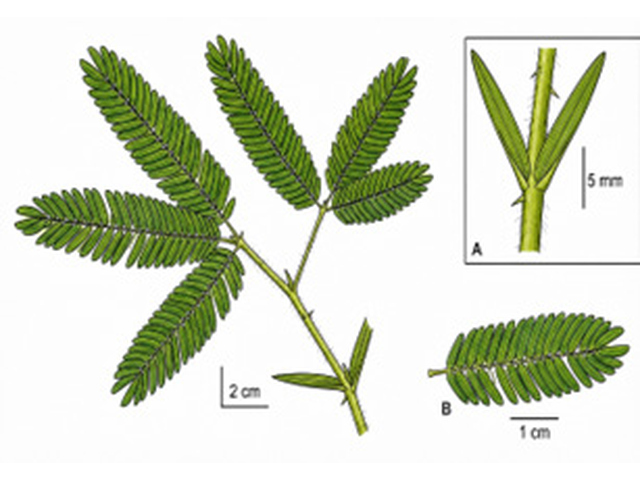
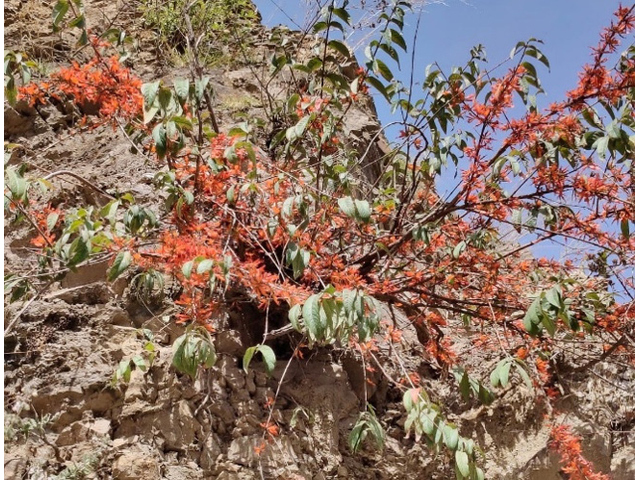
Woodfordia fruticosa (L.) Kurz: Integrating Phytochemistry, Novel Bioactivities and Sustainable Utilization Strategies
ABSTRACT: W. fruticosa categorized from family "Lythraceae" and it is also known as "Fire-flame bush" and it grow in tropical and subtropical regions. It occurs in Africa, Middle East and Asia. According to WHO reports that more than 80% of rural areas use medicinal plant to meet their healthcare needs. It plays vital role in ayurvedic medicine because they are used to make herbal medicine like arishta and asava. Researchers found that plant contains many natural phytochemicals such as tannins, terpenes, phenolic acid and flavonoid. The morphology, phytochemistry, novel bioactivities, clinical studies of W. fruticosa are deeply reviewed in this article. Google Scholar, Pub Chem, Chem Draw or Research Gate are the scientific research databases has been used for gathering information for this article. Its Phytochemicals are responsible several bioactivities like antimicrobial, antiviral, antioxidants, wound healing, antiulcer, antifertility and antiatherosclerosis activity. Some clinical studies are done to determine its effects on teeth and also determines mouthwashes of W. fruticosa leaves to treat chronic periodontitis. This plant is rare and highly popular so its use must be controlled to prevent overexploitation. Tissue culture, genetic research-controlled cultivation and scientific methods used to ensure availability and efficacy. By using these methods, the plant is able to grow more consistently and produces more beneficial ingredients.
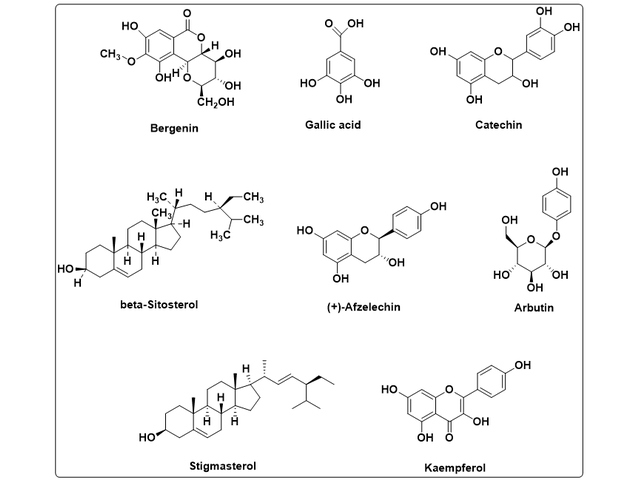
Bergenia ciliata (Haw.) Sternb.: A Comprehensive Review on Ethnomedicinal Significance, Phytochemistry, Pharmacological Activities and Therapeutic Potential
ABSTRACT: Bergenia ciliata (Haw.) Sternb, is generally known as Pashanbheda, is a perennial medicinal herb commonly found in Himalayan region. Traditionally the plant has been used in the treatment of urolithiasis (kidney stones), urinary tract disorders, inflammation, cough, wound healing, fever, and various gastrointestinal disorders. Phytochemical investigation has identified various bioactive phytochemicals such as bergenin, gallic acid, catechin, tannins, arbutin, β-sitosterol, flavonoids, polyphenolic metabolite, sterols, which promote its diverse pharmacological potential. The overview study analyses show scientific investigation which identified various bioactive phytoconstituents with is responsible for its biological activities and highlight it as a valuable source for novel therapeutic agents. Google Scholar, Science Direct, Pub Med or Research Gate are the scientific research database which are used for gathering information for the study of B. ciliata. Relevant peer-reviewed articles, books and published reports are used for screening and analysis of information on ethnomedicinal, phytochemistry, pharmacology and therapeutic potential. Pharmacological studies demonstrate diverse therapeutic potential such as free radical scavenging, inflammation inhibition, antibacterial/antifungal, antiurolithiatic, antiulcer, antiviral, antidiabetic, neuroprotective as well as cardioprotective effects. Recent evidence also supports its immunomodulatory and anticancer potential. Despite promising preclinical evaluation, comprehensive clinical validation and toxicity profiling remain limited. This review aims to collect and critically analyze the available literature on the phytochemical profile, ethnomedicinal uses, pharmacological activities and therapeutic potential of B. ciliata, and emphasizing its significance as a natural source for future drug development.
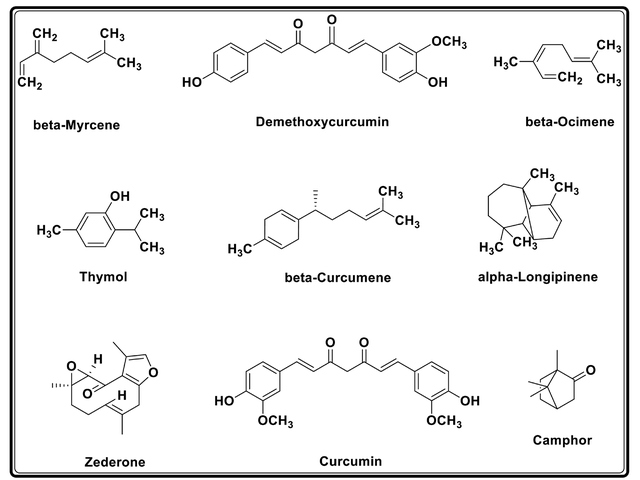
Curcuma amada Roxb. (Mango ginger): Ethnobotany and Ethnomedicinal Uses, Phytochemical Constituents and Therapeutic Potential: A Comprehensive Review
ABSTRACT: The genus Curcuma (family Zingiberaceae) contains more than 100 species which are mostly found in tropical and subtropical regions. Curcuma amada Roxb., is one of the most important species of Curcuma genus and it is commonly known as mango ginger due to its mango like fragrance and it has significant therapeutic potential. It has traditionally been used in Ayurveda, Unani and folk medicine system for its anti-inflammatory, wound healing and respiratory ailment potential. Curcuma amada has been used for the treatment of stomach ache, cough, fever and skin diseases and also used for making pickle and other culinary preparations showing its ethnobotanical uses. The phytochemical study shows that Curcuma amada is rich in essential oils, terpenoids, phenolic compounds and curcuminoids. β-myrcene comprises the major part of the chemical constituents and also responsible for various therapeutic activities. Google Scholar, Research Gate, Pub Med and ScienceDirect are the scientific databases which have been used to gather information for the study of ethnobotany, ethnomedicinal, morphology, phytochemistry and therapeutic potential of Curcuma amada Roxb. Pharmacological investigations confirm anti-inflammatory, anti-microbial, anticancer, antioxidant, analgesic, wound healing and antidiabetic potential. Also, various herbal formulations of Curcuma amada including creams, ointments and polyherbal preparations have been prepared and studied for their therapeutic potentials. Despite many pharmacological proofs lack of clinical investigation, toxicity profile and mechanistic studies restrict therapeutic translation. This comprehensive review highlights the ethnobotany, traditional uses, phytochemical profile and therapeutic potential of Curcuma amada. Roxb., providing a scientific basis for further pharmacological and clinical investigations.
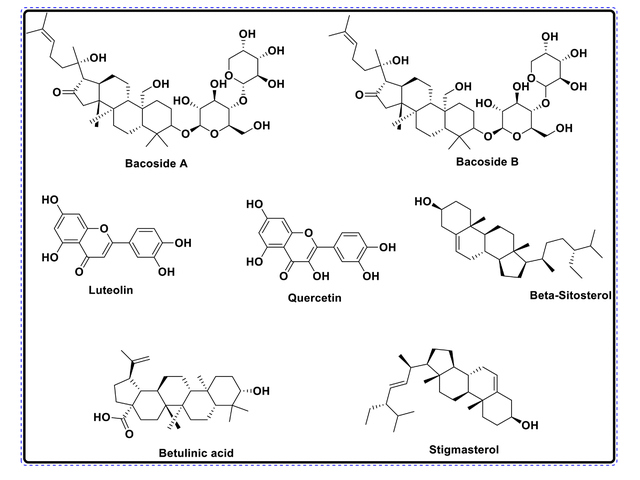
A Comprehensive Overview of Bacopa monnieri Taxonomy, Constituents, Bioactivities, Herbal Formulations and Clinical Trials
ABSTRACT: B. monnieri, an herbal plant also referred to as brahmi, is an herb with medicinal and pharmacological active plant in traditional Indian medicinal history which has been broadly used in the an ancient ayurveda for improving memory, cognitive function, and neurological health. Brahmi is an ancient medicinal plant which used to prepare herbal formulations like brahmi ghritam, brahmi rasadi tailam, bacognize®, and bacomind®, which traditionally use in India for enhance memory and cognitive functions. This article provides a complete overview of B. monnieri taxonomy, ethnomedicinal uses, phytochemical constituents and their bioactivities, herbal formulation and clinical trials. The review focus on the basic cellular mechanisms responsible for its neuronal protective, antioxidant, oncoprotective, anti-alzheimer, anti-emetic, as well as cardioprotective activities along with major phytochemical constituents present in B. monnieri like bacoside A, bacoside B, luteolin, quercetin, β-sitosterol, betulinic acid, and stigmasterol. Recent clinical trial studies identified the cognitive, neurological, and physiological effects of B. monnieri which act as the scientific evidence proving its therapeutic potential. Overall, this review combines all information of B. monnieri phytochemistry, pharmacological activities, and clinical significance, which help to focus on its importance as a promising medicinal active plant.
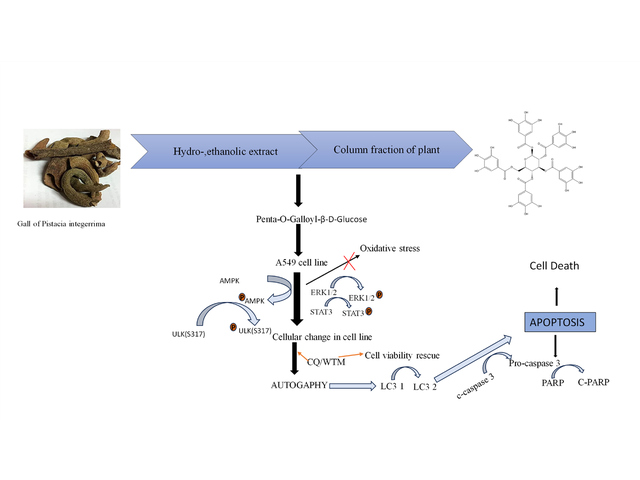
Comprehensive Review on Pistacia integerrima (Karka-Shringi): A Medicinal Plant with its Phytoconstituents, Ethnomedicinal Uses and Pharmacological Activities
ABSTRACT: Due to their broad range of therapeutic potential, low cost, and comparatively less side effects than manufactured medications, medicinal plants gained significant attention, among medicinal plant Pistacia integerrima has considered more attraction towards because it is rich in phytochemicals. Pistacia integerrima contain many phytochemical and secondary metabolites like flavonoids, alpha-pinene, sterols, terpenoids, kaempferol, catechins, fisetin, m-cymene, fenchyl alcohol, tannins, di-limonene, caprylic acid. The plant is used for many therapeutic activity antibacterial, anti-cancer, anti-asthmatic, anti-fungal, muscle-relaxant activity. Traditionally gall of the plant is used in numerous diseases like in fever, cough, dysentery, snake bite and diarrhoea. The aim of the study is to present medicinal importance, pharmacological activity of Pistacia integerrima.
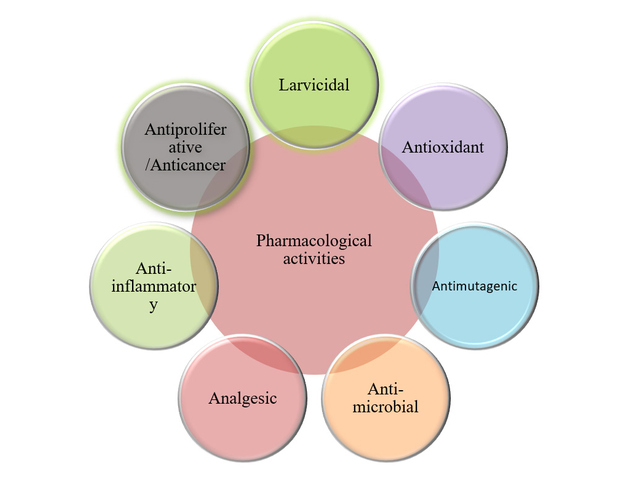
Advances in the Genus Pyracantha: From Traditional Healing to Modern Therapeutics
ABSTRACT: Pyracantha (Rosaceae family) is the name of evergreen shrub plants that are widely spread in Asia and Europe, and it is traditionally utilized in folk remedy to treat several diseases. Various species for example Pyracantha crenulata, Pyracantha fortuneana, Pyracantha coccinea, Pyracantha koidzumii and Pyracantha angustifolia possess nutritional and medicinal importance. The current review provides information about ethno medicinal uses, phytochemicals composition, and pharmacological properties of Pyracantha species. Bioactive compounds that include flavonoids, phenolic acids, polysaccharides, triterpenoids, organic acids, anthocyanins, carotenoids, vitamins, and minerals have been identified in Pyracantha during phytochemical studies. The genus Pyracantha possess strong antioxidant, anti-inflammatory, antimicrobial activity, antibacterial, antidiabetic, antihypertensive, anticancer, photoaging, analgesic, anti-hyperlipidemic and hepatoprotective activities in vitro and in vivo models.
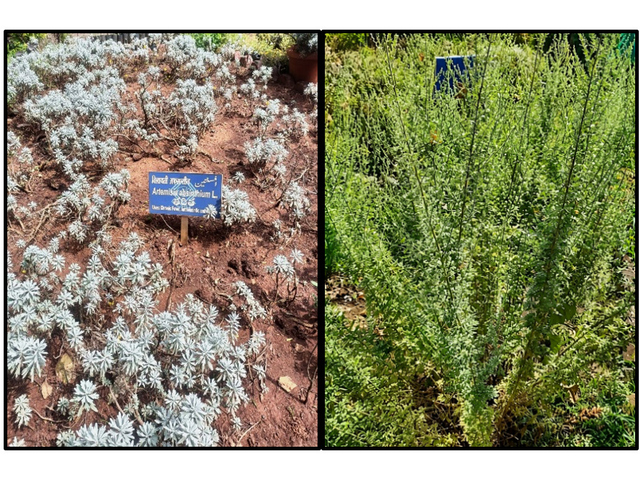
Phytoconstituents, Botanical Features, Therapeutic Applications and Pharmacological Activities of Artemisia absinthium L.: An Exhaustive Review with Special Reference to the Unani System of Medicine
ABSTRACT: Artemisia absinthium L. (Wormwood), a medicinal herb of the family Asteraceae, has been extensively used in traditional systems of medicine, particularly the Unani system, for the management of a wide range of ailments. This review critically summarizes the botanical features, phytochemical profile, traditional applications, pharmacological activities, and safety aspects of A. absinthium based on classical Unani literature and contemporary scientific evidence. The plant contains a variety of bioactive constituents, including sesquiterpene lactones, essential oils, flavonoids, phenolic compounds, terpenoids, tannins, and organic acids, which are responsible for its diverse biological activities. Traditionally, A. absinthium has been employed as a digestive stimulant, stomachic, hepatoprotective, splenic tonic, antipyretic, anti-inflammatory, nervine, and general tonic. Experimental studies have substantiated many of these traditional claims by demonstrating significant digestive stimulant, anthelmintic, antibacterial, antifungal, hepatoprotective, anti-inflammatory, immunomodulatory, analgesic, cytotoxic, and limited antiprotozoal activities. Recent advances in nanotechnology-based formulations have further improved its bioavailability and therapeutic efficacy, particularly in hepatoprotection. Although therapeutic doses are generally well tolerated, excessive intake may cause thujone-associated neurotoxicity and gastrointestinal adverse effects, emphasizing the need for dose standardization. Overall, the available evidence highlights A. absinthium as a promising medicinal plant with substantial therapeutic potential. However, further well-designed preclinical and clinical studies are warranted to validate its efficacy, elucidate its mechanisms of action, and establish standardized, safe, and evidence-based therapeutic applications.
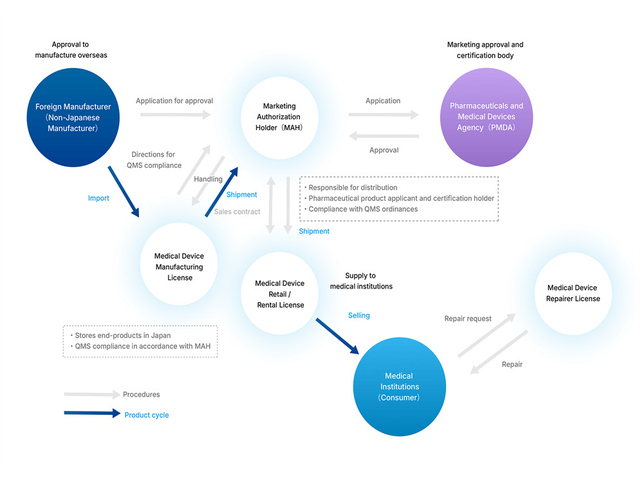
Regulatory Provisions for Introducing Phytopharmaceutical Drugs in Indian Market
ABSTRACT: Plants have been recognized as a very useful and important source of drugs, since time immemorial. However, in the present day, context, usefulness of plants has been questioned, on the grounds of quality control, lack of clinical trials, etc. Historically, plant drugs listed in "Official books" under "Schedule I" of the Drugs and Cosmetics Act, 1940, were accepted for marketing in India, without any need for clinical trials. However, such drugs, although marketed in India, could not be marketed as "drugs" in countries like USA, EU, Japan, China, etc., wherein these drugs failed to meet the same standards of quality, consistency and clinical evidence, as chemical drugs. Thus, several Indian "drugs" were introduced in US market as "dietary supplements". This article discusses the concept of "phytopharmaceuticals", as introduced by amendment in the Indian Act, in 2015. The legal provisions related to Ayurvedic, Siddha and Unani drugs, in India, are traced out. Recent developments in Indian act, pertaining to phytopharmaceuticals, have been traced out, and compared with those in other countries, such as USA, EU, Japan, China, etc. The recent amendments in Indian act have paved the way towards introduction of "phytopharmaceuticals", meeting the same standards of quality, safety and efficacy, as for chemical drugs, and have brought the quality, safety and efficacy standards for plant-based drugs, at par with those for chemical drugs. It is hoped that this will help in introducing plant -based drugs in several regulated markets.
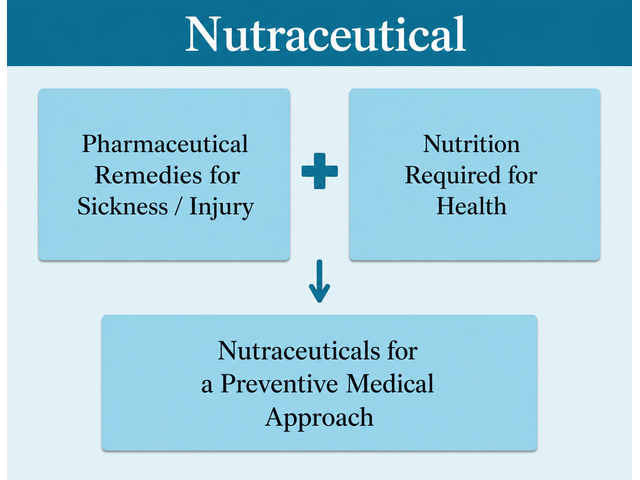
Beyond Protein: Phytochemical-Driven Engineering of Herbal-Enriched Plant Protein Powders for Functional Nutrition and Human Health
ABSTRACT: Nutraceuticals combine nutritional benefits with biologically active components that may support health and help reduce the risk of certain health disorders, with plant proteins from legumes, cereals, pulses, soybean, and oilseeds providing an accessible and nutritious alternative to animal-derived proteins. This review aims to highlight the nutritional importance of plant proteins and their associated bioactive compounds, with an emphasis on their potential application in developing functional nutraceutical products. A narrative review approach was used to examine various plant-based protein sources-including legumes, cereals, pulses, soybean, sattu, and seeds-and evaluate their associated nutritional and phytochemical components. Sattu, soybean, seeds, and related plant ingredients provide essential proteins alongside dietary fibre, minerals, and diverse phytochemicals, including polyphenols, flavonoids, tannins, carotenoids, and saponins. Plant-based proteins and their accompanying bioactive compounds offer significant potential for the development of nutritious, convenient, and functional nutraceutical formulations.
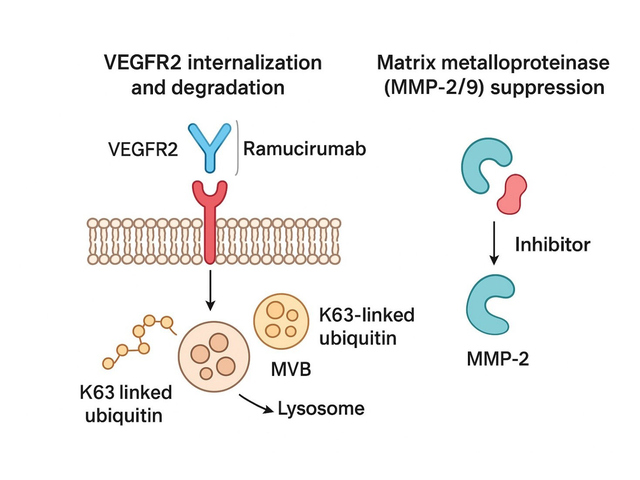
Dietary Isoflavonoids and Brain Tumors: Unlocking Neuroprotective Potential, Molecular Mechanisms, and Novel Therapeutic Avenues in Neuro-Oncology
ABSTRACT: Brain tumours, particularly Glioblastoma (GBM), remain among the most aggressive malignancies because of profound molecular heterogeneity, Blood-Brain Barrier (BBB)-restricted drug delivery, therapeutic resistance, and an immunosuppressive tumour microenvironment. Naturally occurring dietary isoflavonoids, including genistein, daidzein, biochanin A, formononetin, glycitein, and the metabolite equol, have emerged as promising multitarget phytochemicals with potential applications in neuro-oncology. This review comprehensively summarises current evidence regarding the molecular mechanisms, pharmacokinetic characteristics, preclinical efficacy, translational advances, and emerging therapeutic applications of dietary isoflavonoids in brain tumour prevention and treatment, with particular emphasis on glioblastoma. A narrative literature review was conducted using PubMed, Scopus, Embase, and Web of Science to identify English-language studies published between 2000 and 2025. Experimental investigations, clinical studies, systematic reviews, and relevant regulatory reports were critically evaluated. Evidence was synthesised to examine BBB transport, epigenetic regulation, oxidative stress modulation, apoptosis, angiogenesis, immune remodeling, anti-invasive mechanisms, nanotechnology-based drug delivery, and combination therapeutic strategies. Accumulating evidence demonstrates that dietary isoflavonoids regulate multiple oncogenic pathways by inhibiting DNA methyltransferases, suppressing PI3K/Akt, NF-κB, STAT3, and VEGF signalling, promoting mitochondrial apoptosis, reversing epithelial-mesenchymal transition, reducing matrix metalloproteinase activity, and enhancing antitumor immune responses through macrophage polarisation and PD-L1 modulation. Nanocarrier formulations substantially improve BBB penetration, bioavailability, and therapeutic efficacy while enhancing sensitivity to temozolomide and radiotherapy. Nevertheless, clinical translation remains constrained by metabolic variability, limited oral bioavailability, gut microbiota-dependent equol production, and sex-related pharmacokinetic differences. Dietary isoflavonoids represent promising multitarget adjunctive agents for precision neuro-oncology by simultaneously targeting tumour cells, the BBB, and the tumour microenvironment. Future well-designed clinical trials integrating biomarker-guided patient selection, nanomedicine platforms, microbiome-based interventions, and personalized pharmacokinetic optimisation are essential to establish their clinical value in brain tumour management.
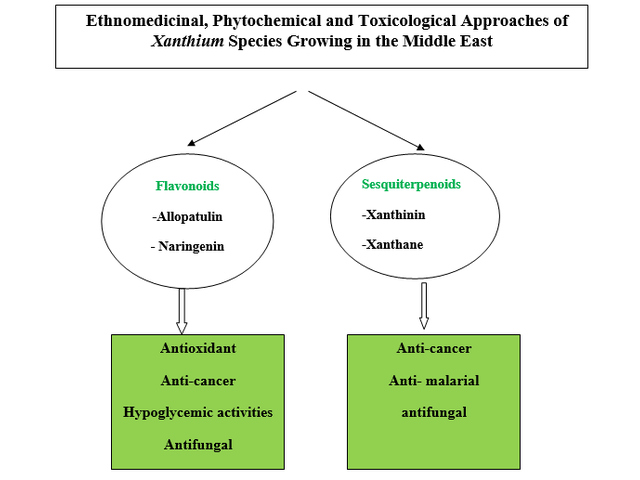
Review on Ethnomedicinal, Phytochemical and Toxicological Approaches of Xanthium Species
ABSTRACT: Genus Xanthium (Asteraceae family) consists of 25 species that are distributed worldwide. Among these, only a few species, such as Xanthium strumarium and Xanthium spinosum have been extensively investigated for their pharmacological and phytochemical properties. These studies have revealed various activities, including analgesic, anti-inflammatory, anti-arthritic, cytotoxic, anti-angiogenic, and antiviral effects. This review covers most of the identified chemical constituents of plants from the genus Xanthium reported in literature between the years 2000 and 2026. In addition, the biological activities of the different species of genus Xanthium are presented and discussed too. Researchers will be able so to examine the potential of the Xanthium genus in order to improve human health through more in vivo human studies. A search was performed across different databases, including, Scopus, Science Direct and PubMed from the year 2000 mostly till 2026. Second, articles were chosen based on specific related criteria. As this is a review article, we include most types of articles relevant to our subject. Lastly, the pertinent data for the review was arranged in a methodical manner. In addition, this study is descriptive, qualitative and not quantitative. Inclusion Criteria: Original research articles and comprehensive reviews published in peer-reviewed journals. Studies focused explicitly on Xanthium species, reporting phytochemical profiling and biological activity. In vitro or in vivo pharmacological evaluations conducted under standardized conditions Investigations into structure-activity relationships. Exclusion Criteria: Non-English articles without verified translations. Case reports or opinion pieces without original data. The relevant information for the review was systematically organized. Sesquiterpenes and flavonoids as main active constituents are cited and discussed due to their important anti-oxidant activities. This literature review discussed the biological constituents and pharmacology of genus Xanthium. We recommend to carry out more studies in order to isolate more compounds from this genus exerting remarkable pharmacological activities and to study their mechanism of action.
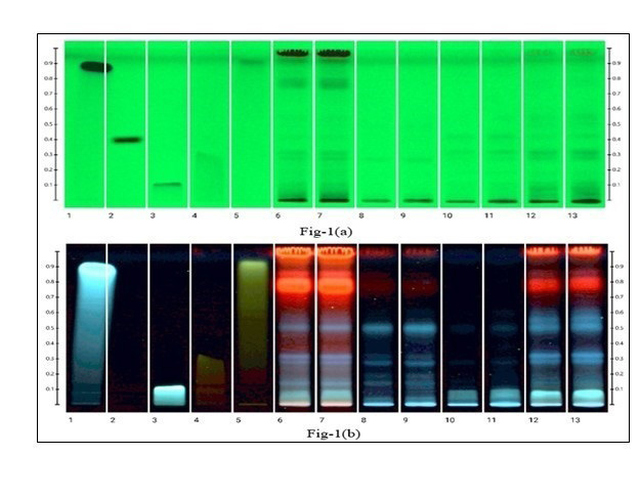
Targeted HPTLC Profiling and UV Spectrophotometric Estimation of Key Polyphenols Present in Brassica sp.: A Comparative Phytochemical Analysis
ABSTRACT: Brassica sp., including kale, cabbage, broccoli, and cauliflower, contains bioactive compounds like flavonoids and phenolic acids, which make them nutritionally and therapeutically valuable. This study aimed to detect polyphenolic compounds in selected Brassica sp. (kale, cabbage, broccoli, and cauliflower) and to optimize a mobile phase to obtain better separation of these polyphenolic compounds using High-Performance Thin-Layer Chromatography (HPTLC). Standards including rutin, quercetin, chlorogenic acid, caffeic acid, and caffeine were selected based on their known antioxidant activities and occurrence in leafy vegetables. The dried powdered samples were extracted using methanol-assisted sonication. Multiple mobile phase systems were screened to achieve optimal separation, and the best-performing system, butanol: ethyl acetate:water:formic acid (9:2:1:0.5), was selected for the chromatographic profiling. The choice of mobile phase significantly influenced the resolution, migration behaviour, and detectability of phytochemical constituents. Distinct chromatographic bands were observed in each Brassica sample, indicating the presence of phenolic compounds. However, all standards were not consistently detected, probably due to low concentration, lack of certain compounds, or to extraction difficulties. This study highlights the critical importance of mobile phase selection in HPTLC fingerprinting and emphasizes the need to align extraction and chromatographic conditions with the expected phytochemical profile of the target plant group. Understanding the presence of flavonoids and phenolic acids in Brassica sp. is valuable for both nutritional evaluation and analytical standardization.
Current Issue
Browse the latest published articles in the current issue
Archives
Access our complete collection of past issues and articles
Submit Article
Share your research with the global scientific community